Deer: A Creative Font for Artistic Branding
When you’re building a brand or designing a project that needs to feel approachable and imaginative, the typeface you choose does a lot of the heavy lifting. You want something that feels alive, something that connects with an audience on a human level. That’s exactly where Deer comes in. It isn’t just a collection of letters; it’s a design asset that brings personality to the table. If you are a designer, entrepreneur, or content creator looking for a premium font that bridges the gap between professionalism and whimsy, understanding the capabilities of Deer is a smart move for your workflow.
Visual Characteristics and Personality
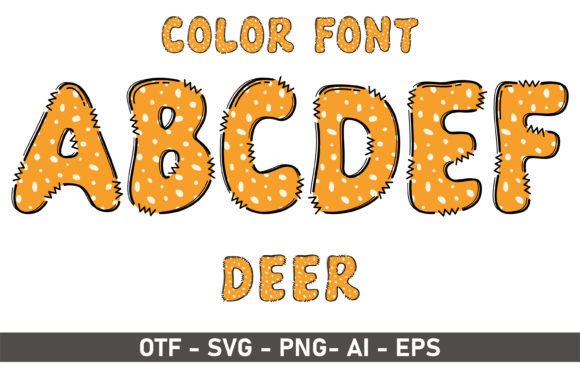
At its core, Deer is a typeface that balances structure with fluidity. It often walks the line between a handwritten font and a script font, but it does so with a level of refinement that makes it versatile. Unlike some modern typography trends that focus strictly on geometric precision, Deer offers a more organic feel. You’ll notice the strokes aren't perfectly uniform; they have a rhythm to them that mimics the natural flow of hand-lettering. This slight imperfection is actually its greatest strength, as it adds a layer of authenticity to your designs.
The visual weight of Deer usually sits in a medium range, making it bold enough to be noticed but light enough to maintain an airy, open aesthetic. It’s the kind of font that looks like it was crafted by a skilled calligrapher who decided to loosen up a bit. The curves are soft, and the connections between letters (if it’s a connected script) are fluid rather than rigid. This gives the text a sense of movement. If you are working on a project that needs to convey warmth, creativity, or a playful spirit, the visual personality of Deer aligns perfectly with those goals.
Where Deer Shines: Practical Applications
Knowing what a font looks like is one thing, but knowing where to use it is where the real value lies. Because Deer has such a distinct character, it works exceptionally well in specific contexts. It is particularly effective in packaging design, especially for artisanal goods, organic products, or boutique items. Imagine a label for a homemade jam or a scented candle; using Deer helps communicate that the product was made with care and attention to detail.
It is also a fantastic choice for editorial design and publishing. If you are working on a children’s book, a magazine feature, or a blog header, Deer brings that necessary level of engagement. The article you are writing needs a headline that grabs attention, and a creative font like Deer does exactly that without being difficult to read. It’s also a strong contender for logo design, particularly for brands in the lifestyle, fashion, or creative industries. A logo using Deer suggests that the brand is friendly, approachable, and style-conscious.
- Children’s Books: The whimsical nature makes reading fun for young audiences.
- Greeting Cards: Perfect for invitations and celebratory messages where a personal touch matters.
- Social Media Graphics: In a feed full of generic sans-serifs, Deer helps your posts stand out with character.
- Web Design: Ideal for hero sections or accent text to break the monotony of standard web fonts.
Designing with Deer: Strategy and Pairing
Using a display font like Deer requires a bit of strategy. You generally don’t want to set an entire paragraph of body copy in a highly stylized typeface, as it can become tiring to read. Instead, think of Deer as your headline specialist. Use it for H1 tags, subheadings, or pull quotes. For the body text, you’ll want to pair it with something more neutral. A clean sans serif font or a classic serif font makes an excellent companion. The contrast between the organic nature of Deer and the structured nature of a sans-serif creates a balanced visual hierarchy that guides the reader’s eye naturally.
When testing your font pairing, pay attention to the x-height and the overall mood. If your body font is too rigid, it might clash with the fluidity of Deer. Look for a sans-serif that has friendly, open shapes—something that feels modern but not cold. This combination ensures that your brand identity feels cohesive. You want the typography to tell a consistent story across all your touchpoints, from your website to your business cards.
Licensing and Professional Use
For designers and business owners, the technical side matters just as much as the aesthetic. Deer is a commercial font, which means you need to ensure you have the correct license for your specific use case. Whether you are using it for a client’s logo design or for mass-produced merchandise, checking the End User License Agreement (EULA) is crucial. A valid license protects you legally and ensures that the font creator is supported, allowing for the continued development of high-quality design assets.
Readability and Hierarchy
While Deer is expressive, always prioritize readability. Test the font at the size you intend to use it. If you are designing a poster, print it out. If it’s for web design, view it on different screen sizes. Sometimes, a font that looks great on a 27-inch monitor might lose its charm on a mobile device. Adjust your letter spacing (tracking) and line height (leading) to ensure the text breathes. Good typography isn't just about choosing a beautiful typeface; it's about making sure the message is received clearly by your audience.
Ultimately, Deer is a tool for connection. It helps you move away from the generic and toward the memorable. By integrating it thoughtfully into your projects, you elevate the perceived value of your work and create a stronger bond with your audience. Whether you are a crafter selling on Etsy or a marketer launching a new campaign, Deer offers the versatility and charm needed to make your message resonate. It proves that in a digital world, a touch of the handmade—captured in a premium font—is exactly what we need to feel human again.