Adding a Playful Spark: The Dessert Font for Creative Projects
In a world saturated with clean, minimalist sans serif fonts, sometimes a project needs a genuine injection of personality. It needs to feel approachable, fun, and visually engaging without sacrificing clarity. This is precisely where a typeface like Dessert finds its strength. Designed to evoke a sense of whimsy and artistic flair, it’s more than just a collection of letters; it’s a design asset built to capture attention and set a specific mood.
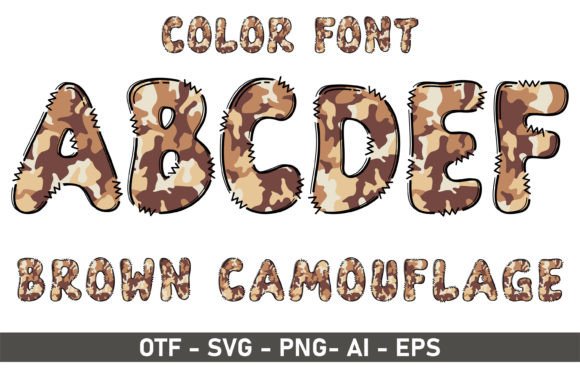
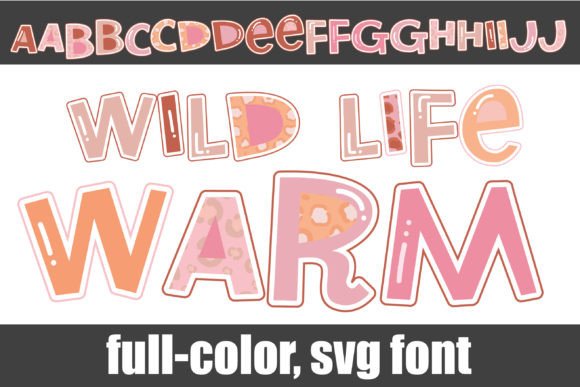
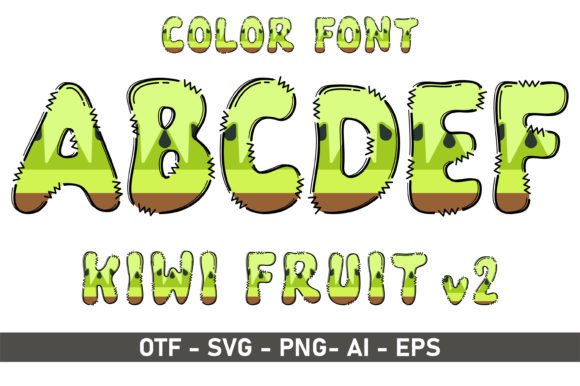
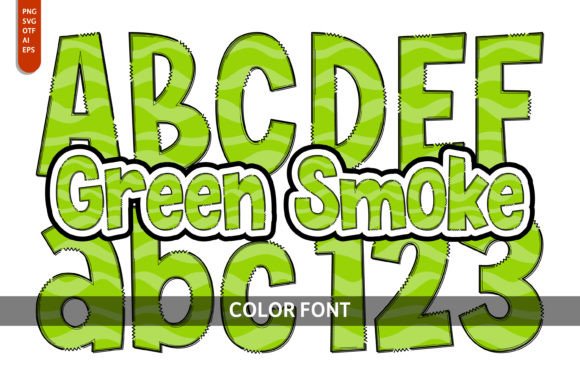
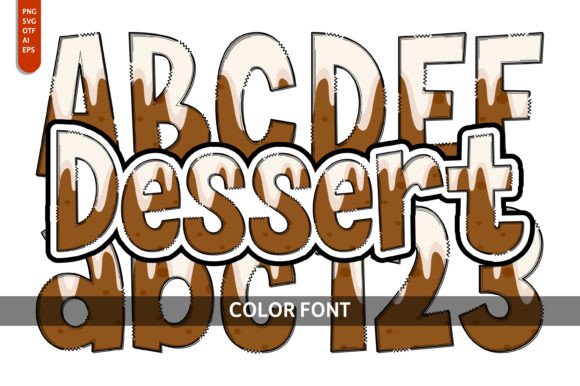
Let's be clear about what Dessert is. It’s a premium font in the display category, meaning it’s crafted for headlines, logos, and short bursts of text rather than long-form body copy. Its visual character is defined by playful curves, a hand-drawn aesthetic, and a vibrant, colorful appearance. This isn't a rigid, corporate serif font or a neutral sans serif font. It’s a creative font with the heart of a handwritten font, designed to feel authentic and engaging, particularly for audiences that appreciate a touch of charm.
Where Dessert Truly Shines: Practical Applications
The true value of any typeface lies in its application. Dessert excels in projects where you want to communicate joy, creativity, and a personal touch. Think about the last children’s book that caught your eye or a party invitation that felt particularly special. Chances are, the typography played a key role in that initial impression.
For brand identity, this font is a powerful tool for businesses targeting a younger demographic or those in creative, lifestyle, or food-related industries. A boutique bakery, a children's clothing line, or a craft supply store could use Dessert in their logo design to immediately convey a friendly and artistic brand personality. It helps build instant recognition and sets a welcoming tone before a customer even reads the copy.
Its applications extend far beyond logos. Consider these real-world uses:
- Editorial Design: Pull quotes and chapter titles in a cookbook or a lifestyle magazine can use Dessert to break the monotony of standard body text and add visual interest.
- Packaging Design: For products like artisanal snacks, toys, or handmade cosmetics, the font can make packaging pop on the shelf, telling a story of fun and quality.
- Marketing & Social Media: In the fast-scrolling world of social media, a distinctive display font is crucial. Dessert can make Instagram posts, Pinterest graphics, and Facebook ads stand out, increasing engagement. It’s perfect for creating memorable social media graphics that feel less corporate and more personal.
- Web Design & Digital: While not for paragraphs, it can be used for website headers, banner text, or call-to-action buttons on sites for creative studios, event planners, or online stores for kids.
- Print & Personal Projects: The font is ideal for greeting cards, party invitations, posters, and scrapbooking. Its whimsical nature adds a heartfelt, crafted feel to any personal project.
Using Dessert Effectively: A Designer's Perspective
Adopting a new premium font like Dessert requires more than just liking its look. It’s about strategic implementation to enhance, not hinder, your project's goals. The first consideration is always readability. As a decorative font, its primary role is impact. Use it for short headlines or accent words, not for body text or lengthy descriptions where a cleaner serif font or sans serif font would ensure legibility.
One of the most important skills in modern typography is creating effective font pairing. Dessert pairs beautifully with simple, neutral typefaces. Try combining it with a straightforward sans serif like Open Sans or Lato for body copy. This contrast creates a clear visual hierarchy: the playful Dessert grabs attention for the main message, while the simple font provides comfortable reading for supporting information. This balance is key to professional-looking web design and print layouts.
Before you commit, always test the font within the context of your actual design. Does its personality align with your brand's voice? Does it resonate with your target audience? A font that works for a children’s party planner might not be the right fit for a high-end financial consultant, even if the latter wants to appear "approachable." Context is everything.
It's also vital to understand the technical specifics of your design assets. The Dessert font is an Opentype-SVG color font. This is a modern format that allows for multi-color and textured designs within a single font file, creating a more dynamic and illustrative look. However, compatibility is key. This format works seamlessly in professional design software like Adobe Photoshop, Illustrator, and Silhouette Studio, as well as Inkscape. Crucially, the OTF and/or TTF files are not compatible with Cricut design software. For crafters and hobbyists using a Cricut machine, this is an essential detail to verify before purchasing. For comprehensive guidance on using color fonts, checking the provided Ultimate Font Guide is a highly recommended step.
Finally, consider the licensing for your commercial font. Ensure the license you acquire covers your intended use, whether it’s for a single client project, unlimited commercial work, or personal, non-commercial creations. Understanding these terms protects you and respects the work of the font's creator.
In the end, a typeface like Dessert is a valuable tool in a designer's kit. It’s not for every project, but when used thoughtfully—in the right context, with the right pairings, and for the right audience—it can elevate a design from merely functional to truly memorable. It’s about adding that perfect sprinkle of personality that connects with people on a human level.