African: Bringing Vibrant Color to Your Design Projects
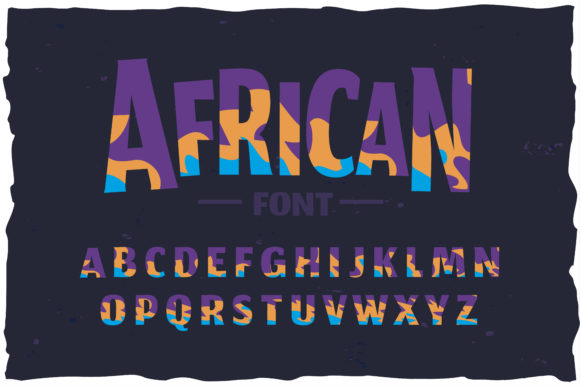
If you've ever felt that your designs needed a bit more life, more texture, and a definitive pop of personality, you've likely spent hours searching for the right asset. We often settle for standard black text or spend time manually adding effects to make a headline stand out. African changes the game entirely. As a premium font utilizing modern OpenType-SVG technology, it isn't just a typeface; it is a fully rendered graphic element. It captures a vibrant, textured aesthetic that brings a warm, organic feel to any layout, making it a standout choice for designers and creators looking to break away from flat, sterile typography.
Understanding the "Color Font" Technology
Before diving into its applications, it is important to understand what makes African technically distinct. Unlike traditional vector fonts that rely on single-color fills, this is a creative font that embeds bitmap data directly into the font file. When you type a letter, you are essentially placing a high-resolution, multi-colored image. This allows for gradients, textures, and depth that are impossible to achieve with a standard serif font or sans serif font without extensive manual editing.
However, this technology comes with specific technical requirements. Because African is an OpenType-SVG file, it is compatible with professional editing software like Adobe Photoshop, Illustrator, and Silhouette. It is also compatible with Inkscape, which is great for open-source users. It is crucial to note, however, that the OTF and TTF files included are not compatible with Cricut machines. For crafters and hobbyists, this distinction is vital for workflow planning. If you are working in a digital environment, however, the richness of the font’s visual output is unparalleled.
Visual Characteristics and Personality
Visually, African leans into a bold, expressive style. It carries the weight and presence of a heavy display font, making it ideal for headlines. The texture within the letters suggests a hand-crafted quality, bridging the gap between a polished modern typography asset and a raw, artistic handwritten font. It doesn't just sit on the page; it demands attention. This personality makes it particularly effective for projects that need to convey authenticity, culture, or a grounded, earthy vibe.
Strategic Applications for Branding and Marketing
As a brand strategist, I often advise clients that typography is the voice of their brand. African speaks with confidence and flair. It is an exceptional tool for logo design, particularly for brands in the lifestyle, fashion, food, or artisanal sectors. Because the font already contains complex visual data, a logo using African can be instantly recognizable without needing additional graphic embellishments.
Beyond logos, consider the impact on social media graphics. In a crowded feed, a standard script font might get lost, but the high-contrast, colorful nature of this typeface stops the scroll. It works beautifully for Instagram posts, Pinterest pins, and YouTube thumbnails where visual hierarchy is paramount. For packaging design, using African can simulate the look of a foil stamp or a complex print finish, giving a mockup a realistic, high-end feel before the product even goes to print.
Editorial and Digital Use
In editorial design, such as magazine covers or blog headers, African serves as a powerful anchor. It pairs exceptionally well with clean, geometric sans serif font families. By using African for the main headline and a simple sans-serif for the body copy, you create a clear visual hierarchy. This guides the reader's eye naturally from the title to the content, improving readability and engagement. It is also a fantastic choice for web design hero sections, provided it is used sparingly for key call-to-action text to maintain fast load times and legibility.
Practical Guide to Implementation
Integrating a color font into your workflow requires a slightly different approach than using standard typefaces. Here is how to get the most out of African:
- Software Compatibility: Ensure you are working in the latest versions of Photoshop or Illustrator. Older versions may not support the SVG rendering, causing the font to appear as a default fallback or a black block.
- Color and Backgrounds: Because the font has its own built-in color palette, be mindful of your background. While it stands out on white, placing it on a clashing color can muddy the design. Neutral backgrounds usually allow the font's texture to shine.
- Scaling: Treat this font like a photograph. If you scale it up too much, you might see pixelation depending on the source resolution. Conversely, scaling it down too small will cause the intricate details to disappear, turning the text into a muddy blur.
Font Pairing and Evaluation
When evaluating if African fits your project, look at the mood of your content. If your project requires a sterile, corporate, or highly technical look, this font is likely the wrong choice. However, if you want to evoke emotion, creativity, or a hand-made aesthetic, it is perfect.
For font pairing, simplicity is key. Since African is visually complex, pairing it with another decorative or script font will result in a cluttered mess. Instead, opt for a clean serif font for a classic, editorial vibe, or a neutral sans serif font for a modern, balanced look. This contrast allows African to act as the focal point while the secondary font handles the heavy lifting of readability for longer paragraphs.
Commercial Licensing and Final Thoughts
One of the most common questions regarding design assets like this involves licensing. African is a commercial font, meaning it is licensed for use in projects that generate revenue. Whether you are designing a client's brand identity, creating merchandise, or developing a digital product, you are covered. However, always double-check the specific license terms included with your purchase to ensure compliance, especially regarding server installation for web fonts.
Ultimately, African is more than just a set of characters; it is a design solution. It solves the problem of flat, uninspired text and offers a way to inject personality and professionalism into your work simultaneously. By understanding its technical nature as an OpenType-SVG file and applying it thoughtfully to your logo design, packaging, or digital content, you can elevate the perceived value of your projects. It is a testament to how modern typography continues to evolve, offering creators tools that are not just functional but genuinely beautiful.