Carrot Color Font: A Playful Asset for Modern Branding
In a digital landscape saturated with neutral sans serifs and predictable serifs, standing out requires a deliberate choice in visual language. For designers, marketers, and entrepreneurs looking to inject personality into their work, the Carrot Color Font offers a distinct solution. This is not just another typeface; it is a specialized display font designed to capture attention through whimsy and color. Understanding how to leverage such a creative font can transform a mundane layout into a memorable brand identity.
Visual Characteristics and Design Appeal
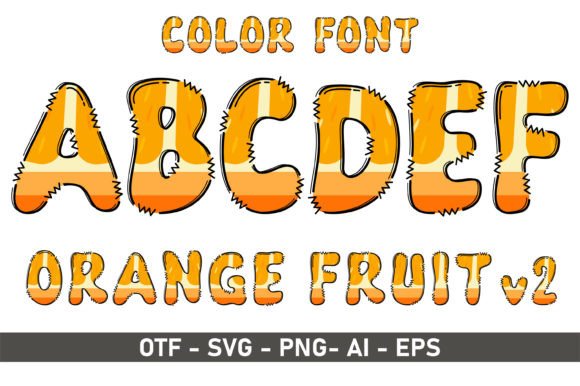
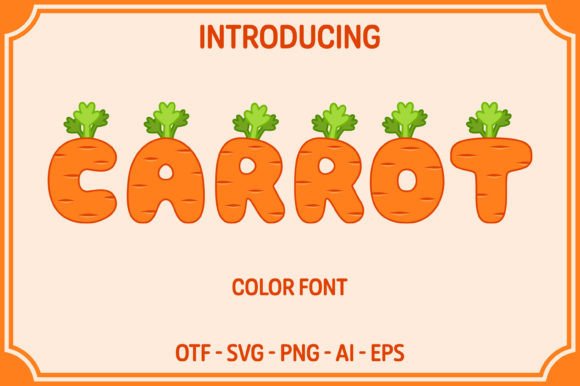
At its core, Carrot is a premium font that relies on the charm of its primary motif. Each letterform is constructed to resemble a carrot, utilizing OpenType-SVG technology to support full-color bitmap glyphs. This means the letters aren't just vector shapes; they carry texture, shading, and realistic vegetable hues—ranging from vibrant orange to leafy greens. Unlike a standard handwritten font or a rigid sans serif font, Carrot brings a tactile, organic quality to modern typography.
The personality of this typeface is undeniably playful, energetic, and approachable. It avoids the stiffness of corporate communication, making it an ideal choice for projects that need to feel human and relatable. However, it is important to recognize that Carrot is strictly a display font. Its intricate details and bold colors make it perfect for large-scale headlines, but it is not designed for body text. The visual density of the carrot motif requires space to breathe; otherwise, the text becomes visually noisy and difficult to parse.
Strategic Applications in Creative Projects
Knowing where to deploy the Carrot font is just as important as the design itself. Because it commands immediate attention, it works best in high-impact areas. For packaging design, particularly in the food, health, or children’s sectors, this typeface serves as an instant visual cue. Imagine a juice bar menu or a farmers' market flyer; the Carrot font instantly communicates the product's nature without needing lengthy explanations.
In the realm of social media graphics, where scroll-stopping power is currency, Carrot shines. It is perfect for creating engaging Instagram Stories, YouTube thumbnails, or promotional banners that need to pop against a cluttered feed. Content creators and bloggers can use it for post titles to establish a fun, consistent aesthetic that differentiates their channel from competitors relying on standard system fonts.
Furthermore, small business owners and entrepreneurs can utilize this font for specific campaigns. It is excellent for seasonal promotions, holiday sales, or branding elements for a specific product line. For instance, a craft brewery might use Carrot for a limited-edition vegetable ale label, or a toy store could use it for their window signage. It fits seamlessly into the toolkit of design assets used for editorial design where the subject matter is light-hearted or food-related.
Font Pairing and Hierarchy
One of the most critical skills in typography is font pairing. A creative font like Carrot requires a grounded partner to maintain readability and professional structure. If you pair Carrot with another decorative typeface, the result will likely be chaotic. Instead, contrast is key.
For a clean, modern look, pair Carrot with a geometric sans serif font. The simplicity of the sans serif will not compete with the complex shapes of the carrot letters, allowing the headlines to stand out while the supporting text remains legible. Alternatively, using a simple, clean serif font can add a touch of editorial elegance, provided the serif is not overly ornate. This creates a visual hierarchy where Carrot establishes the tone and the secondary font delivers the information.
Evaluating Project Fit and Licensing
Before integrating Carrot into a logo design or long-term campaign, designers must evaluate the project's longevity. While Carrot is excellent for graphics and short-term branding, a logo needs to be versatile. Ensure that the playful nature of the carrot aligns with the brand's long-term values. It is a fantastic choice for a children's party planner or a vegan recipe blog, but perhaps less suitable for a law firm or a luxury watch brand.
When working with clients, always review the licensing. Since Carrot is a commercial font, you need to ensure the license covers the intended usage, whether it is for web design, print, or merchandise. Many premium font licenses are tiered based on traffic or the number of users, so due diligence is required to avoid legal issues down the line.
Additionally, check the styles included in the family. Does it come with bold or italic variations? Does it include a set of matching punctuation or icons? These details matter when you are building out a complete brand identity. Testing the font on different backgrounds is also essential; the color glyphs often look best on white or light backgrounds where the orange and green hues can maintain their vibrancy.
Enhancing Audience Engagement
Ultimately, the goal of using a specialized typeface like Carrot is to foster engagement. In a world of automated content, a font that looks hand-crafted or illustrative signals care and creativity. It tells the audience that the creator paid attention to the details. For publishers and marketers, this translates to better click-through rates and longer dwell times.
By balancing the exuberance of the Carrot Color Font with solid typographic principles—contrast, spacing, and hierarchy—you can create designs that are not only beautiful but also functional. Whether you are designing a birthday card, a website header, or a product label, Carrot provides the tools to make your message heard in a crowded marketplace. It proves that typography doesn't always have to be serious to be effective; sometimes, a little vegetable whimsy is exactly what a design needs to come alive.