Colorful Life Too: A Floral Display Typeface
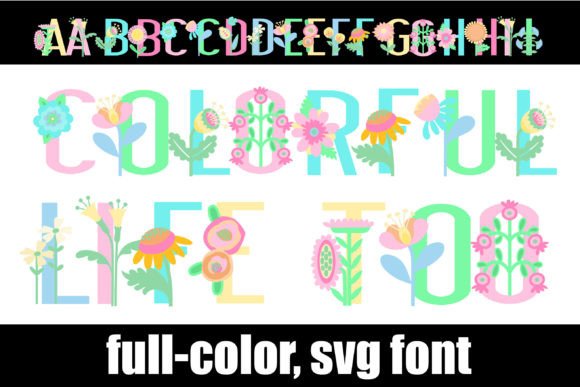
In the world of visual communication, capturing attention is only half the battle; holding it requires a unique personality. This is where a specialized display font enters the conversation. Colorful Life Too is not just a typeface; it is a visual asset that functions as a piece of digital art. Unlike standard serif fonts or clean sans serif fonts designed for long-form reading, this typeface is engineered for impact. It features intricate floral patterns woven into the very structure of each glyph, creating a rich, textured appearance that mimics botanical illustrations.
For creative professionals, marketers, and content creators, the challenge often lies in finding design assets that feel authentic rather than generic. Colorful Life Too addresses this by offering a premium font experience where the typography itself serves as the primary visual element. It moves beyond the simplicity of a standard script font or handwritten font, offering a level of detail that transforms text into a centerpiece. Whether you are working on brand identity, packaging design, or social media graphics, understanding how to leverage this specific style of modern typography can significantly elevate the quality of your output.
Understanding the Aesthetic and Personality
The defining characteristic of Colorful Life Too is its intricate detailing. Each letter is constructed with elaborate floral motifs, utilizing a palette of rich hues that evoke a sense of nature and luxury. This is not a minimalist font; it is a maximalist approach to typography. The visual weight of the characters makes it an excellent choice for headlines where you want to convey sophistication, whimsy, or elegance. It bridges the gap between typography and illustration, making it a versatile tool for projects that require a handmade, artisanal feel without the inconsistency of actual hand lettering.
When considering this creative font, it is helpful to view it as a distinct voice in your design toolkit. While a geometric sans serif speaks of modern efficiency and a traditional serif suggests authority, Colorful Life Too speaks of creativity, celebration, and attention to detail. It possesses a personality that is vibrant and alive. This makes it particularly effective for brands that want to appear approachable yet stylish. It works exceptionally well for businesses in the lifestyle, wedding, beauty, or artisanal food sectors, where the visual presentation is directly tied to the perceived value of the product.
Strategic Applications Across Industries
Knowing where to apply a display font like this is crucial for maintaining professional standards. Because of its decorative nature, Colorful Life Too is best suited for specific contexts rather than universal use.
Branding and Logo Design
In logo design, distinctiveness is paramount. Using Colorful Life Too for a wordmark can instantly set a brand apart from competitors using standard typefaces. It is particularly effective for small business owners and entrepreneurs in the boutique space. For example, a high-end florist, a bespoke stationery shop, or a wedding planner could use this font to anchor their brand identity. The floral details communicate the nature of the business visually before the customer even reads the words. However, legibility at small sizes must be tested; a simplified version or a complementary sans serif font should be used for the tagline or supporting text.
Editorial and Packaging Design
In editorial design, such as magazine covers or feature headers, this typeface can break the monotony of standard column text. It draws the reader’s eye to specific stories, creating a hierarchy that guides the reader through the layout. Similarly, in packaging design, the font can turn a product label into a keepsake. For artisanal goods like candles, cosmetics, or specialty teas, the floral typography adds a tactile quality to the visual experience, suggesting that the product inside is crafted with the same care as the label.
Digital Presence and Social Media
The digital landscape is crowded, and social media graphics need to stop the scroll. Colorful Life Too excels in static imagery for platforms like Instagram or Pinterest. It is ideal for quote graphics, sale announcements, or event headers where the text needs to function as an image. For web design, it should be used sparingly—perhaps for hero section headlines or call-to-action buttons—to maintain fast load times and readability, while the body text remains a legible serif or sans serif font.
Typography Mechanics: Pairing and Hierarchy
One of the most common pitfalls in using ornate display fonts is poor pairing. Because Colorful Life Too is visually dense and complex, it requires a counterpart that is simple and understated. This creates a necessary contrast that allows the floral elements to shine without overwhelming the viewer.
- The Classic Serif Pairing: Combining Colorful Life Too with a traditional, high-contrast serif font (like a Didone or Transitional style) creates a look of timeless elegance. This works well for wedding invitations and luxury branding.
- The Modern Sans Serif Pairing: For a more contemporary edge, pairing the floral font with a geometric or humanist sans serif font creates a striking juxtaposition. The clean lines of the sans serif provide a resting place for the eyes, making the floral display font pop even more.
- The Minimalist Script: While it seems counterintuitive to pair two decorative fonts, a very loose, flowing script font can sometimes complement the organic nature of the florals, provided the script is lighter in weight and used only for small accents.
Visual hierarchy is established through size and weight. Colorful Life Too should almost always be the largest element on the page. Its intricate details can become muddy or illegible if reduced to footnote sizes. Use it for the H1 or the main headline, and relegate the supporting information to a cleaner typeface. This ensures that the design remains functional while still leveraging the font's artistic appeal.
Practical Evaluation and Implementation
Before integrating Colorful Life Too into a client project or your own brand assets, a rigorous evaluation process is necessary. As a commercial font, it represents an investment, and ensuring it fits the project scope is part of a professional workflow.
Testing for Readability
Readability is distinct from legibility. While you can identify the letters, the flow of reading (readability) can be hindered by complex textures. Print out samples of the font at the intended size. Can the distinct floral patterns be distinguished, or do they merge into a dark blob? Test the font in both positive (light background, dark text) and negative (dark background, light text) spaces. Sometimes, inverted color schemes can enhance the visibility of the intricate details.
Reviewing Styles and Licensing
A professional typeface often comes with a family of styles or alternates. Check if Colorful Life Too includes different weight variations or stylistic alternates that allow you to customize the look of specific letters. Furthermore, scrutinize the commercial font licensing. If you are using the font for logo design, ensure the license covers the specific usage (e.g., embedding in apps or using on merchandise). If you are a publisher or content creator distributing the font files to a team, verify that the license covers the number of users required.
Evaluating Project Fit
Finally, consider the emotional resonance. Does the "personality" of Colorful Life Too align with the message? It is a font that suggests growth, beauty, and intricacy. It is likely the wrong choice for a corporate law firm or a heavy industrial manufacturer. However, for a lifestyle brand, a bakery, a yoga studio, or a creative agency, it can be the perfect visual metaphor. It adds a layer of human touch and organic beauty that sterile, geometric fonts often lack.
By treating Colorful Life Too not just as a set of letters but as a strategic design element, you can unlock its potential to transform standard projects into memorable visual experiences. It requires thoughtful application, careful pairing, and a clear understanding of the brand's voice, but when executed correctly, the results are undeniably captivating.