Petal Font: A Fresh Take on Playful and Artistic Design
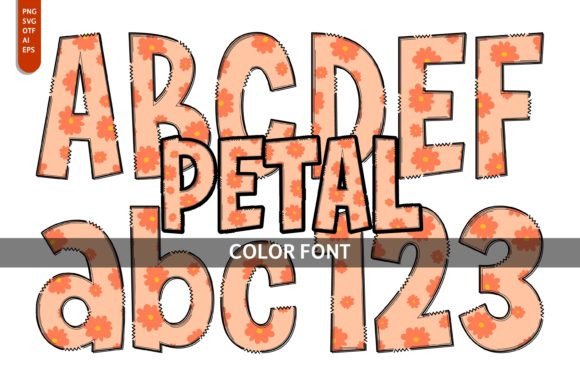
When you first see the Petal typeface, you immediately notice its unique character. It doesn’t just sit on the page; it blooms. In a digital landscape saturated with rigid sans-serifs and predictable serifs, Petal offers a breath of fresh air. It captures the essence of a handwritten font but with the structure of a polished display font. This dual nature makes it an incredibly versatile design asset. Whether you are a seasoned graphic designer, a busy entrepreneur building a brand identity, or a hobbyist creating scrapbook layouts, this creative font brings a warmth that resonates with audiences.
The visual DNA of Petal is rooted in organic shapes. The letterforms often feature soft curves and a gentle bounce that mimics natural handwriting. Unlike aggressive script fonts that can sometimes be difficult to decipher, Petal prioritizes readability while maintaining its artistic flair. It strikes a delicate balance. It feels personal and approachable, yet it remains professional enough for commercial font applications. This makes it an excellent choice for anyone looking to inject personality into their work without sacrificing clarity.
Why Petal Works for Modern Branding and Marketing
In modern typography, the goal is often to connect emotionally with the viewer. Petal excels here. If you are working on logo design for a boutique shop, a bakery, or a lifestyle brand, this font sets the tone instantly. It suggests that the business is friendly, attentive to detail, and creative. It moves away from the cold, corporate feeling of standard office fonts. Instead, it invites the customer in.
Consider the impact on social media graphics. Platforms like Instagram and Pinterest are highly visual. A standard font might get lost in the scroll. However, the distinct silhouette of Petal catches the eye. It works beautifully for quote cards, announcements, and headers. Because it is a premium font, it carries a level of sophistication that free, overused fonts lack. Using it helps your content look original and intentional. This is vital for content creators and marketers who need to stand out in crowded feeds.
Furthermore, Petal is not just a one-trick pony. While it shines in digital spaces, it translates remarkably well to print. Think about packaging design. On a physical product, the texture of the paper combined with the fluid lines of the typeface creates a tactile experience. It feels high-quality. Publishers often utilize similar styles for book covers in the romance, lifestyle, or young adult genres because the font conveys narrative and emotion before the reader even opens the first page.
Practical Applications: From Children's Books to Corporate Events
The versatility of Petal is perhaps its strongest selling point. It is frequently seen in designs that aim to convey a playful or artistic feel. This includes children’s books, where legibility and fun are paramount. The rounded edges and open forms of the letters are friendly to young eyes. However, its application goes far beyond the nursery.
For small business owners, Petal is a secret weapon for editorial design. Imagine a menu for a bistro or a program for a wedding. The font adds a layer of elegance and care. It tells the reader that the host cares about aesthetics. Similarly, for bloggers, using Petal for pull quotes or section headers can break up long blocks of text, making articles more engaging and easier to scan. It creates a visual hierarchy that guides the reader’s eye naturally.
Here are a few specific scenarios where Petal truly shines:
- Greeting Cards and Invitations: The font mimics the personal touch of hand-lettering, making invitations feel bespoke and special.
- Posters and Wall Art: As a display font, Petal has the presence to anchor a poster design, pairing well with minimalist backgrounds.
- Web Design: When used for hero text or call-to-action buttons, it adds a human element to the user interface, softening the digital experience.
- Brand Collateral: From business cards to thank-you notes, using Petal consistently helps build a recognizable brand identity.
Mastering Font Pairings and Visual Hierarchy
One of the most common questions in graphic design is how to pair fonts. A script font or handwritten font like Petal can sometimes be overwhelming if used for large blocks of body copy. The key is contrast. Because Petal has a strong personality, it pairs best with something quieter.
A classic combination is pairing a creative display font with a clean sans serif font. The simplicity of the sans-serif allows Petal to take center stage for headers and titles without creating visual clutter. Alternatively, pairing it with a sturdy serif font can create a nice, traditional-meets-modern vibe. This works well for editorial design or upscale branding where you want to mix heritage with a fresh perspective.
When evaluating your font pairing, consider the weight and x-height. Petal usually works best when it has room to breathe. Avoid stacking it too tightly against other elements. Let the "petals" of the letters open up. This improves readability and ensures the typography feels balanced.
Licensing, Readability, and Final Thoughts
Before integrating any new typeface into your workflow, practical considerations matter. First, check the licensing. Since Petal is often distributed as a commercial font, ensure your license covers your intended use. If you are designing a logo for a client, you typically need a license that permits embedding or commercial use. If you are a crafter selling physical goods, verify that the license covers the sale of end products. Respecting licensing protects your business and supports the type designers who create these beautiful design assets.
Next, test for readability. While Petal is designed to be legible, context matters. Test it at the size you intend to use. A font that looks great at 72pt on a poster might lose detail at 12pt on a mobile screen. Always preview your work on different devices and in print proofs. Look at the spacing (kerning) between letters. Sometimes, with script fonts, you may need to manually adjust the tracking to ensure a smooth flow.
Ultimately, adding Petal to your toolkit is an investment in versatility. It is a typeface that bridges the gap between casual and professional. It allows designers to create layouts that feel alive and entrepreneurs to build brands that feel relatable. Whether you are designing a poster for a local event, a header for a blog, or a full brand identity, Petal offers a distinct voice. It proves that modern typography doesn't have to be cold or geometric. It can be organic, warm, and undeniably creative. Add this lovely color font to your creative projects, and you will love the results.