White Brick: A Playful Typeface for Creative Projects
Finding the right typeface for a project is like casting the lead actor in a play—it sets the tone, conveys the personality, and draws the audience into the story. When a design calls for a sense of whimsy, texture, and handcrafted charm, a standard sans serif or serif font often falls short. This is where a unique display font like White Brick comes in. It’s a typeface built not just for legibility, but for character, offering a distinct visual voice that can transform a mundane layout into something memorable and engaging.
The Artistic Soul of White Brick
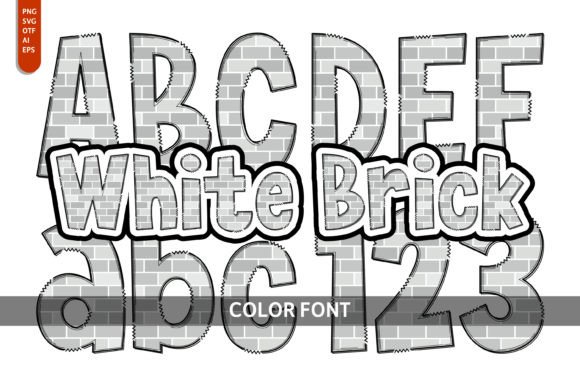
At its core, White Brick is a creative font defined by its textured, letterpress-inspired appearance. Each character is crafted to look as if it were stamped with white ink on a rough surface, giving it a gritty, artisanal quality. This isn't a clean, digital typeface; it has personality. The irregular edges and subtle imperfections are its strengths, making it feel organic and approachable. It’s a premium font designed to inject a dose of personality into projects that need to stand out from the sea of smooth, geometric modern typography.
This style makes it particularly effective for designs aiming to convey a playful or artistic feel. Think of a children’s book cover where the title needs to pop with energy, or a poster for a local craft fair that wants to feel handmade and authentic. White Brick’s visual texture adds depth and interest, creating an immediate emotional connection with the viewer. It’s the kind of handwritten font alternative that feels less script-like and more substantive, perfect for headlines and short bursts of text where its unique character can shine without compromising clarity.
Where White Brick Truly Excels
Understanding a font's ideal environment is key to using it effectively. White Brick isn't a workhorse for body copy; it's a specialist. Its strength lies in applications where visual hierarchy and brand personality are paramount. For brand identity, it can be a game-changer for businesses in the artisan food, craft brewery, boutique retail, or children's education spaces. A logo design using White Brick instantly communicates a brand that values creativity, texture, and a hands-on approach. It suggests a story behind the product.
Its applications are broad and practical. In packaging design, it can make a product label feel unique on a crowded shelf. For editorial design, it’s perfect for chapter titles, pull quotes, or magazine headers that need to grab attention. In the digital realm, it translates beautifully to social media graphics, creating thumb-stopping posts and Instagram Stories. For entrepreneurs and small business owners, it’s a valuable design asset for creating cohesive marketing materials—from event posters and greeting cards to website banners and email newsletter headers. It brings a consistent, recognizable texture to a brand's visual language.
Practical Guidance for Using This Typeface
Choosing a font like White Brick requires a bit of strategic thinking. First, evaluate the project fit. Is the goal to feel whimsical, rustic, vintage, or playful? If the project demands serious, corporate, or highly technical clarity, this likely isn't the right tool. But if you’re designing for a bakery, a children’s party, a music festival, or a creative workshop, it’s an excellent candidate. Always consider your audience engagement goals; a font like this can make content feel more accessible and fun.
Next, consider font pairing. A textured display font like White Brick pairs best with a clean, neutral counterpart. Try combining it with a simple sans serif font for body text to ensure readability and create a balanced visual hierarchy. For example, White Brick for a headline paired with a font like Lato or Open Sans for paragraphs creates a pleasing contrast that guides the reader's eye. Avoid pairing it with other highly decorative fonts, as this can lead to visual chaos.
Important Technical Note: White Brick is a color font (OpenType-SVG). This format embeds the texture and color directly into the font file, which is what gives it its unique appearance. However, compatibility is crucial. This commercial font works seamlessly in professional design software like Adobe Photoshop, Illustrator, Silhouette, and Inkscape. It is not compatible with Cricut Design Space. If you're a crafter using a Cricut machine, you will need to use a standard vector font instead. Always check the licensing to ensure it covers your intended commercial use, whether for client work, merchandise, or digital products.
Before finalizing, test the font at the size it will be used. Its readability is excellent at larger scales, but at very small sizes, the texture may become muddy. Use it for its intended purpose: to create impactful, artistic headlines and logos that tell a story at a glance. By leveraging White Brick thoughtfully, you can add a layer of tactile charm and creative flair that elevates your entire design.