Acorn: The Playful Display Font for Autumn Designs
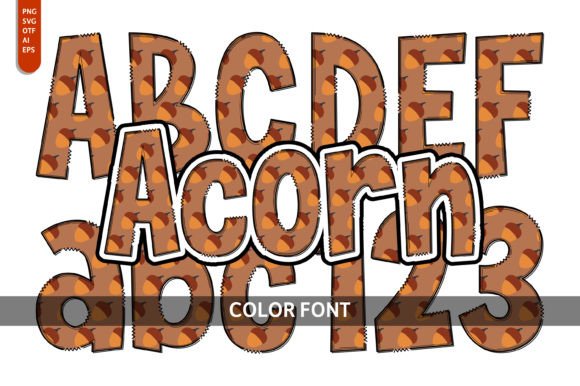
There are typefaces that simply convey words, and then there are typefaces that tell a story. Acorn falls firmly into the latter category. It is a delightful and playful color font that captures the essence of autumn in every letter. If you have ever tried to find a typeface that feels cozy, organic, and distinctly seasonal without looking cartoonish or low-quality, you know the struggle. Acorn solves this by adorning each character with adorable acorns rendered in a variety of warm, earthy colors. It is a design asset that immediately evokes the spirit of fall, making it a unique tool for specific creative scenarios where atmosphere is just as important as legibility.
The Visual Personality of the Acorn Typeface
To understand where Acorn fits in your toolkit, you have to look at its construction. This is not a standard serif font or sans serif font. It sits firmly in the category of a display font with decorative properties. The core structure of the letters is designed to hold the acorn motifs, meaning the shapes are likely bold enough to showcase the details of the nut and cap illustrations integrated into the strokes.
The "personality" of Acorn is undeniably whimsical. It bridges the gap between illustration and typography. Because it is a color font, the visual impact is immediate; you don’t need to manually add gradients or textures to achieve the earthy look. The warm palette suggests harvests, changing leaves, and rustic textures. However, because it relies on these intricate details, it functions best as a headline or accent typeface. Trying to use Acorn for body copy would be disastrous for readability; the eye needs to rest between viewing these detailed characters. Think of it as a premium font designed for impact, not for paragraphs.
Practical Applications: Where Acorn Shines
The challenge with highly thematic fonts is knowing how to use them without overwhelming a design. Acorn is a specialist. It is not a "workhorse" font for web design body text or corporate reports. Instead, it is a strategic asset for specific moments in the calendar year. Here is where I have seen this style of typography work best in professional settings:
- Seasonal Branding and Packaging: If you are a small business owner selling artisanal goods—think coffee roasters, candle makers, or bakeries—Acorn is perfect for limited-edition packaging design. It instantly communicates "handmade" and "autumnal" without requiring complex label illustrations.
- Editorial Headers: For editorial design, particularly magazines, blogs, or newsletters focused on lifestyle, food, or nature, Acorn makes an excellent drop cap or article header. It sets the mood immediately for a Thanksgiving recipe or a fall fashion spread.
- Event Stationery: From harvest festivals to rustic weddings, the font brings a cohesive brand identity to invitations, menus, and signage. Its playful nature suggests a relaxed, joyful atmosphere.
- Digital Marketing: In the realm of social media graphics, standing out is difficult. A header image for a Pinterest pin or an Instagram story using Acorn can stop the scroll because it breaks the pattern of standard geometric sans-serifs.
Strategic Use: Hierarchy, Pairings, and Readability
As a designer or content creator, your job is to guide the viewer's eye. Acorn is a heavy lifter for visual hierarchy, but it needs to be managed carefully. Because it is a creative font with high visual density, it demands space. If you crowd it, the acorn details will turn into visual noise.
Mastering the Font Pairing
The golden rule of using a decorative font like Acorn is contrast. You need a partner typeface that is quiet, clean, and highly legible.
- Avoid other Decoratives: Never pair Acorn with a script font or another handwritten font. The result will look chaotic and amateurish.
- Go Neutral: The best pairing for Acorn is often a clean sans serif font. Think of fonts like Helvetica, Open Sans, or Lato. These neutral shapes allow the quirky personality of Acorn to shine without competing for attention.
- Modern Contrast: If you want a more sophisticated look, a modern serif font with high contrast can work, provided the serif is very geometric and clean. This bridges the gap between the organic shapes of the acorns and the structure of the text.
Readability and Visual Hierarchy
When using Acorn in logo design or headers, pay attention to letter spacing (tracking). Decorative fonts often benefit from a little extra breathing room between characters to prevent the illustrations on one letter from touching the next. Furthermore, consider the background. Because Acorn features earthy tones, it works best on neutral backgrounds—crisp whites, creams, charcoal grays, or deep forest greens. Avoid busy photographic backgrounds that might clash with the texture of the font.
Technical and Commercial Considerations
Before you commit to Acorn for a commercial project, there are a few practical boxes to tick. As a professional, you need to ensure your design assets are robust and legally sound.
- Evaluate the Character Set: Does the typeface include all the punctuation and special characters you need? If you are writing a headline about "Fall's Best," you need to ensure the apostrophe is styled consistently with the rest of the glyphs.
- Check for Alternates: High-quality premium fonts often include alternate characters or ligatures. If you are typing the word "Autumn" and have two letter 'A's, do they look identical? Good font design often varies these slightly to maintain a natural, hand-crafted feel.
- Licensing: This is crucial. Ensure you understand the commercial font license. If you are using this for a client's product packaging, you generally need a license that covers commercial use. If you are a freelancer, ensure the license covers the end product you are delivering.
- Color Font Support: Ensure your software supports color fonts (SVG in OpenType). While the font will likely fall back to a standard black outline if the software doesn't support color, the magic of Acorn lies in its palette.
Final Thoughts on Modern Typography
We are currently in an era of modern typography