Ghost: A Playful Font for Spooky-Cute Halloween Designs
Finding a typeface that perfectly captures that whimsical, spooky-cute vibe for Halloween projects can be a real challenge. You want something that feels festive and fun, but also polished and versatile enough for real-world applications. Enter Ghost, a detailed, colored font that immediately brings a charming, Halloween-inspired aesthetic to any creative work. It’s designed for those moments when you need more than just a standard spooky font—you need a typeface with personality.
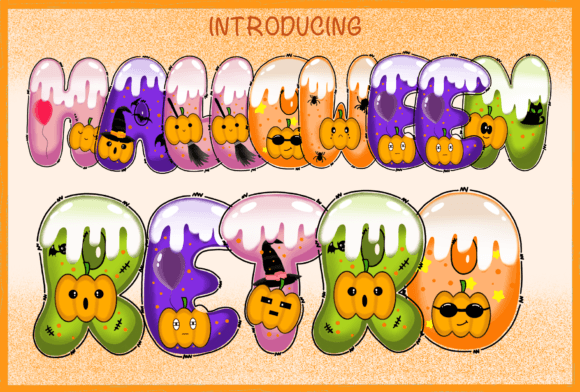
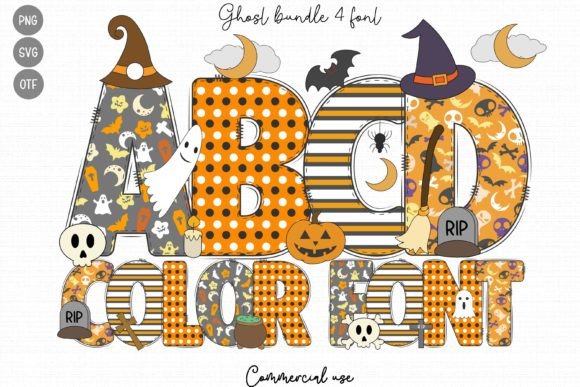
Ghost isn't just another seasonal novelty. It’s a carefully crafted display font with a distinct visual character. The letterforms feature a playful, rounded style, often incorporating subtle thematic elements like friendly ghost silhouettes or pumpkin accents directly into the design. As a colored font, it arrives with built-in hues—think classic Halloween oranges, purples, blacks, and whites—saving you the step of manually adding color in your design software. This built-in coloring is what gives Ghost its incredibly detailed and lively appearance right out of the box.
Where This Creative Font Truly Shines
Understanding where a font like Ghost excels is key to using it effectively. Its primary strength lies in projects where a strong, thematic tone is desired. This makes it an ideal candidate for a range of applications across both digital and physical mediums.
For seasonal branding and marketing, Ghost is a natural fit. Think Halloween event posters, social media graphics for a fall sale, or email headers for an October newsletter. It sets the mood instantly. In packaging design, especially for seasonal products like candy, baked goods, or party supplies, the font can create shelf appeal that is both eye-catching and on-theme. Crafters and hobbyists will find it perfect for creating custom stickers, iron-on designs for apparel, or festive home décor elements like framed quotes.
Within editorial design, Ghost works beautifully for headlines in themed magazines, blog post titles for lifestyle or parenting sites during the Halloween season, or chapter headings in a fun, spooky story. Its detailed nature means it’s best used for short bursts of text—headlines, logos, or call-to-action buttons—rather than long paragraphs, where its playful style could impact readability.
Making Ghost Work in Your Design Projects
Integrating a specialty font like Ghost into your workflow requires a bit of strategic thinking. Its bold personality means it will dominate a composition, so it’s best paired with simpler, more neutral typefaces. A clean sans serif font for body text or a straightforward serif font for supporting copy can provide excellent contrast, ensuring your message remains clear while the headline grabs attention.
Before you commit, always test the font in your specific design environment. A crucial technical note is the compatibility difference between the black and color versions. The standard black version of Ghost is compatible with most cutting machine software, including Cricut Design Space. However, the full-color version requires more advanced design programs like Adobe Photoshop, Illustrator, Silhouette Studio, or Inkscape. This is because colored fonts use special technology to embed color data, which not all programs support. Always check the font’s licensing for your intended commercial use to ensure it covers your project, whether it’s for personal crafting or client work.
Consider the visual hierarchy you’re creating. Using Ghost for a main headline and a simple sans serif for subheadings and body text creates a clear, engaging flow for the viewer. The font’s inherent style contributes directly to brand perception for a seasonal campaign, positioning a brand as fun, approachable, and in tune with festive trends. For a small business owner, this can be a powerful tool for audience engagement during a key retail period.
Practical Tips for Font Evaluation and Pairing
When evaluating any premium font, especially a creative one like Ghost, start by looking at the full character set. Check for the inclusion of numbers, punctuation, and multilingual support if your project requires it. Does the font include stylistic alternates or ligatures? These extra glyphs can add unique flair to your logo design or headline.
Test readability at the size you plan to use it. A font that looks great large on a poster might become illegible when reduced for a web banner. For web design, consider how the font will render on different screens. While Ghost is primarily a display font for print and digital graphics, if you were to use it on a website, you’d want to ensure it loads correctly and doesn’t harm the user experience.
Effective font pairing is an art. A good rule of thumb is to contrast style, weight, and structure. The ornate, detailed nature of Ghost pairs well with fonts that are geometric, humanist, or slab-based. Avoid pairing it with other highly decorative or script fonts, as this can create visual chaos. The goal is to let Ghost be the star of the show while its supporting cast ensures the overall design remains balanced and professional.
Ultimately, a typeface like Ghost is more than just a collection of letters; it’s a design asset that can inject immediate personality and seasonal charm into your work. By understanding its strengths, technical requirements, and best practices for pairing, you can leverage this modern typography tool to make your Halloween-themed projects—and any project that calls for a touch of playful spookiness—truly stand out.