Bring the Outdoors In with the Environment Typeface
There is a certain feeling you get when you step into a forest or walk along a quiet trail. It is a mix of calm, freshness, and raw beauty. Translating that feeling into a digital design is a challenge that many creators face. We often rely on stock photos of leaves or earthy color palettes to evoke nature, but the typography itself is frequently overlooked. This is where the Environment typeface enters the conversation. It is not just a collection of letters; it is a visual experience that mimics the textures and colors of the natural world.
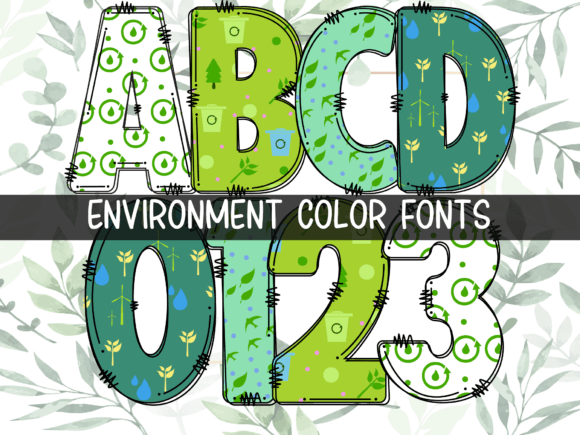
When you first look at Environment, you realize this is a premium font designed for impact. Unlike standard sans serif font families that prioritize minimalism, or traditional serif font options that feel academic, this design bridges the gap between text and illustration. The characters are filled with detailed, organic textures—think moss, stone, bark, or watercolor washes. It brings an "outdoor vibe" to your work that feels authentic rather than forced. For anyone involved in creative font selection, this offers a distinct personality that standard typefaces simply cannot provide.
Visual Characteristics and Personality
The defining trait of Environment is its textured aesthetic. It is an attractive colored font, meaning it utilizes color capabilities (where supported) to display gradients and imagery within the letterforms. However, even in a single color, the intricate details of the texture remain visible. The style is bold and unmistakably decorative. It functions best as a display font, meaning it is crafted for headlines, logos, and short bursts of text rather than long paragraphs.
The personality of this typeface is vibrant, eco-conscious, and tactile. It avoids the rigidity of modern typography and instead embraces the imperfections found in nature. If you are looking for a handwritten font or a script font, this is different—it is structured but filled with life. It conveys a message of sustainability and connection to the earth immediately upon viewing. For designers, this means you can set the tone for a project in a fraction of a second.
Where Environment Shines: Practical Applications
Understanding where to deploy a specialized asset like Environment is key to its success. Because it is a creative font with high visual density, it requires space to breathe. It is not suited for body copy in a novel, but it excels in specific areas of design assets creation.
Branding and Logo Design
For businesses in the wellness, outdoor adventure, or organic food sectors, Environment can be the cornerstone of a brand identity. Imagine a logo for a hiking app or a sustainable clothing line. Using this typeface immediately signals to the audience that the brand values nature. It is a powerful tool for logo design where you want to combine the clarity of text with the emotional weight of imagery.
Packaging and Print
In packaging design, shelf appeal is everything. A product wrapped in a label featuring the Environment font stands out against the clean, sterile look of many modern competitors. It works beautifully for artisanal goods, coffee blends, or bath products. In editorial design, it can be used for magazine covers or pull quotes in lifestyle publications to add a layer of texture and interest.
Digital and Social Media
Digital platforms are hungry for content that stops the scroll. The Environment typeface is perfect for social media graphics where you need to grab attention instantly. It is also effective in web design for hero banners or landing pages dedicated to environmental causes. The visual weight of the font ensures that your message is not just read, but felt.
The Strategic Impact on Design and Perception
Choosing a font is never just about aesthetics; it is about psychology. The typeface you select influences how your audience perceives your brand. By using Environment, you are making a strategic decision to align your project with organic values.
Brand Recognition: Because the font has such a distinct texture, it aids in recognition. A customer who sees the textured lettering on a package will likely remember it better than a generic Arial or Helvetica header.
Visual Hierarchy: In a layout filled with clean sans serif font text for readability, using Environment for headers creates a strong visual hierarchy. It draws the eye exactly where you want it, separating the headline from the informational body text.
Audience Engagement: For eco-conscious audiences, seeing a brand use a typeface that mimics nature suggests a shared value system. It builds trust. It shows that the brand cares about the details and the "vibe" they are projecting, which can lead to higher engagement rates.
Practical Guide to Using Environment
As with any specialized commercial font, there are best practices to follow to ensure it works for you rather than against you.
Evaluating Fit and Readability
Before you commit to Environment for a full campaign, test it. Does the texture get lost when the font is scaled down? This is a crucial readability consideration. Because it contains intricate details, it performs best at larger sizes. If you try to use it for a subheading that is too small, the details may blur, and the text will become hard to decipher. Always view the font at the actual size it will appear in the final product.
Mastering Font Pairing
A textured, colored display font needs a partner that supports it without competing. Font pairing is essential here. Avoid pairing Environment with another decorative or handwritten font. Instead, choose a clean, neutral sans serif font or a simple serif font. For example, using a geometric sans serif for your body copy allows the organic nature of Environment to pop in the headlines. The contrast between the textured nature font and the clean modern text creates a balanced, professional look.
Reviewing Styles and Licensing
Check the available styles within the family. Does it include alternates or ligatures? These small details can help customize the look so it doesn't appear generic. Furthermore, since this is a commercial font, you must verify the licensing. If you are using it for a client's logo design, ensure the license covers commercial usage and allows for modification if you plan to alter the colors or shapes of the letters.
Conclusion: Adding Nature to Your Toolkit
The Environment typeface is more than just a design asset; it is a bridge between the digital world and the natural one. It solves the specific problem of how to make a design feel "earthy" and "organic" without relying solely on imagery. Whether you are a small business owner crafting your own brand identity, a marketer creating social media graphics, or a designer working on packaging design, this font offers a unique toolset.
It brings a touch of nature to your work with detailed illustrations that are hard to replicate manually. By understanding its strengths as a display font and pairing it with clean, legible typefaces, you can create designs that are not only beautiful but also effective. If your goal is to evoke the outdoors, this font does the heavy lifting for you.