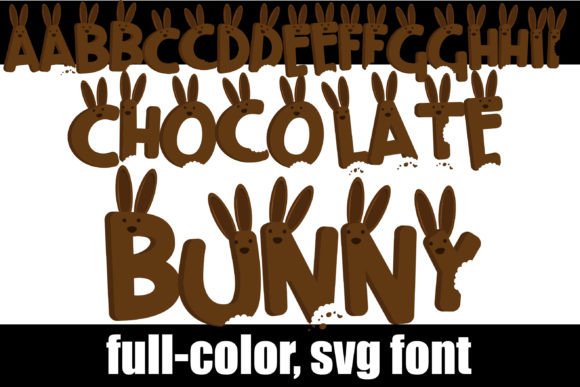
Bring Your Designs to Life with Chocolate Bunny
In the crowded world of digital design, finding a typeface that genuinely captures attention without feeling gimmicky is a rare find. We are constantly looking for premium fonts that do more than just display text; we need them to evoke emotion. Enter Chocolate Bunny, a creative font that promises to inject a serious dose of personality into your work. This isn't just another script or display typeface; it is a vibrant celebration of color and form, designed specifically for creators who want their projects to pop. If you are tired of static, monochrome typography and are ready to experiment with a modern typography approach, this unique typeface might be the missing piece in your design toolkit.
The Visual Appeal: More Than Just a Name
The name Chocolate Bunny suggests something sweet, playful, and perhaps nostalgic, and the font delivers on that promise with a modern twist. The defining characteristic of this font is its dynamic use of color gradients within the letterforms themselves. Unlike standard typefaces where you select a single color for your text, Chocolate Bunny arrives with a built-in blend of hues. Imagine the visual interest of a sunset or the swirl of a lollipop translated into typography. Each letter features a unique gradient that creates depth and movement, making the text look almost three-dimensional without requiring complex layering or effects in your design software.
Visually, it sits in a category that bridges the gap between a display font and a handwritten font. It has the legibility of structured display fonts but retains the organic, fluid feel of hand-drawn lettering. This makes it incredibly versatile for projects that need to feel human and approachable. The "personality" of the font is undeniably energetic. It feels youthful and optimistic, making it a fantastic asset for projects targeting audiences who appreciate creativity and vibrancy. However, because of its colorful nature, it is essential to treat this font as a focal point. It is not designed to be a workhorse for body copy but rather the star of the show in logo design or social media graphics.
Where to Deploy This Colorful Typeface
Understanding where a specialized font like Chocolate Bunny shines is crucial for maximizing its impact. Its playful nature makes it an exceptional choice for the lifestyle and entertainment industries. If you are a blogger or content creator focusing on food, travel, children's content, or DIY crafts, this font can instantly set the mood for your web design headers or video thumbnails.
For entrepreneurs and small business owners, specifically those in the e-commerce space, Chocolate Bunny offers distinct advantages for packaging design and product labels. Think about a boutique candy shop, a colorful cosmetics brand, or a vibrant stationery line. Using this font on your packaging immediately communicates that your brand is fun, modern, and creative. It helps in building a brand identity that stands out on a shelf or in an online marketplace.
Furthermore, marketers will find this typeface invaluable for specific campaigns. It works exceptionally well for:
- Event Invitations: Birthday parties, baby showers, or community festivals where a cheerful tone is required.
- Posters and Flyers: Creating eye-catching headers that stop people from scrolling or walking past.
- Digital Advertising: Banner ads and social media posts where you have only a split second to grab attention.
- Editorial Design: Feature titles in magazines or e-books that require a "pop art" or retro aesthetic.
It is also a fantastic resource for crafters and hobbyists. If you are creating digital stickers, printable wall art, or custom t-shirts, the colorful nature of Chocolate Bunny reduces the need for additional design elements to make the text look "finished."
Strategic Typography: Influence and Engagement
While aesthetics are important, a creative font must also function strategically. The choice of Chocolate Bunny influences visual hierarchy immediately. Because of its high color contrast and bold structure, it naturally draws the eye first. This makes it perfect for headlines and call-to-action buttons where you want to direct user behavior. However, this same quality requires careful consideration of readability. In web design, for example, you would rarely use a colorful display font for navigation menus or body text. Instead, pair it with a clean sans serif font or a simple serif font for the supporting text. This contrast ensures that the Chocolate Bunny headline grabs attention, while the body copy remains easy to read.
The font also plays a significant role in brand perception. Typography tells your audience who you are before they read a single word. Using Chocolate Bunny signals that a brand is approachable, modern, and not afraid to break away from corporate monotony. It suggests creativity and openness. For a publisher or designer, utilizing such a distinct typeface demonstrates a willingness to embrace current trends while maintaining a high standard of visual quality.
Practical Integration and Best Practices
When working with a premium font like Chocolate Bunny, there are technical and aesthetic considerations to keep in mind to ensure professional results.
Testing and Pairing
Never judge a font in isolation. When you download Chocolate Bunny, test it immediately against your existing design assets. A common mistake is pairing a complex, colorful display font with a highly decorative script font for the body copy. This creates visual chaos. Instead, look for font pairing opportunities that offer stability. A geometric sans serif font works wonders here, providing a neutral canvas that allows the colorful letters of Chocolate Bunny to breathe.
Licensing and Commercial Use
Before deploying this font in a commercial context—whether it is for a client's logo design or merchandise for sale—always verify the licensing. Most commercial fonts come with specific terms regarding how many computers can install the file and whether it can be embedded in digital products like apps or e-books. Ensure your license covers your intended use to avoid legal headaches down the road. This is a standard part of professional editorial design and brand management.
Color and Background Considerations
Because Chocolate Bunny is inherently colorful, the background you place it on matters immensely. A white or very light neutral background usually allows the gradients to shine without interference. Placing this font on a busy photo or a patterned background can cause the text to get lost, regardless of how vibrant the font is. If you must use a background image, consider placing a semi-transparent shape or solid color block behind the text to ensure the visual hierarchy remains intact.
Ultimately, Chocolate Bunny is more than just a novelty; it is a strategic design asset for anyone looking to inject life and color into their projects. Whether you are designing a wedding invitation, building a brand identity for a startup, or creating viral social media graphics, this font provides a ready-made solution for high-impact typography. By balancing its playful energy with professional layout practices, you can leverage this typeface to create designs that are not only beautiful but also effective in engaging your audience.