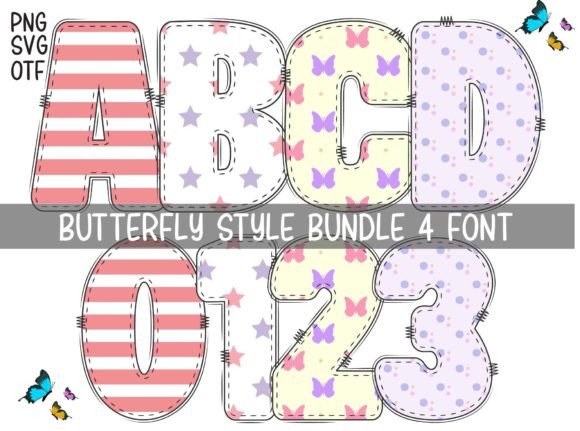
Bringing Joy to Your Designs with Butterfly Style
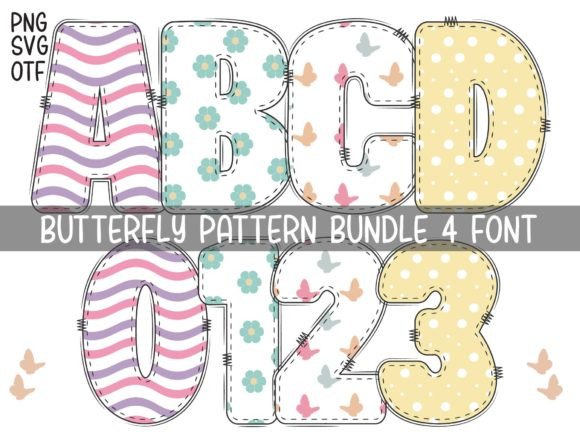
There is a specific moment in design where you need more than just letters; you need a mood. When a project calls for a burst of energy, whimsy, and color, standard black-and-white typography often falls flat. This is where Butterfly Style enters the conversation. It isn’t just a typeface; it is a visual experience. As a premium font, it transforms standard text into art by integrating intricate floral and butterfly patterns directly into the letterforms.
Visually, Butterfly Style is unapologetically vibrant. It falls firmly into the category of a display font, meaning it is designed to capture attention rather than be used for long paragraphs of body copy. What makes it unique is that it is a color font (specifically utilizing Opentype-SVG technology). When you type with this font, the characters appear pre-filled with a mixed-color palette that mimics the look of hand-painted illustrations. The personality of the typeface is cute, attractive, and joyful. It avoids the harshness of geometric sans-serifs and the seriousness of traditional serifs, offering instead a playful, artistic vibe that feels approachable and organic.
The Power of Color Typography
Understanding the technology behind Butterfly Style is crucial for using it effectively. Unlike a standard serif font or sans serif font, which relies on vector outlines that you must manually color, this creative font arrives ready to go. The Opentype-SVG format embeds bitmap data inside the font file, allowing for gradients, textures, and multi-color layers that were previously impossible in standard typography.
However, this technology dictates where and how you can use the font. Butterfly Style is compatible with professional design software that supports this advanced rendering, including PhotoShop, Illustrator, Silhouette, and Inkscape. It is a specialized tool for specific environments. For instance, in web design or social media graphics, this font can instantly elevate a flat layout. When creating an Instagram story or a Pinterest pin, the visual weight of the colored letters reduces the need for additional heavy graphics or background clutter. It allows the typography to do the heavy lifting.
It is important to note the practical limitations of this specific typeface. Because it relies on high-resolution bitmap data, it is not compatible with vector-only cutting machines like Cricut for direct text input. If you are a crafter using a Silhouette, you are in luck, but Cricut users would need to treat the text as an image (a "print and cut" project) rather than a standard cut file. This distinction is vital for anyone working in packaging design or physical product creation.
Strategic Applications for Your Brand
While Butterfly Style is clearly fun, applying it requires a strategic eye. As a designer or business owner, you want to ensure that your use of a display font enhances your brand identity rather than distracting from it.
Logo Design and Headers:
This font shines brightest in logo design for brands that want to project a friendly, artistic, or nature-centric image. Think of businesses in the beauty, floral, children’s fashion, or handmade craft sectors. Using Butterfly Style for a main headline or a logo lockup creates an instant emotional connection. However, because the font is so detailed, it works best when given plenty of "breathing room" (whitespace) so the intricate patterns within the letters remain legible.
Publishing and Editorial Design:
In editorial design, such as magazine covers, chapter headings, or pull quotes, this font adds a layer of texture that standard script fonts cannot match. It provides a modern typography solution that feels fresh and current. If you are a publisher creating a book cover for a romance novel or a whimsical children’s book, this typeface serves as a central design asset that sets the tone immediately.
Digital Content and Marketing:
For marketers and content creators, attention is currency. Butterfly Style stops the scroll. It is highly effective for sale announcements, holiday greetings, or promotional banners. Because it is a color font, it integrates seamlessly into colorful marketing materials without requiring complex layering in your design software.
Pairing and Hierarchy: Making it Work
One of the most common mistakes with creative fonts is overuse. If every word on your page is written in Butterfly Style, the design becomes overwhelming and difficult to read. The key to visual hierarchy is contrast.
Font Pairing Strategies:
To make Butterfly Style pop, pair it with a clean, neutral typeface. A simple geometric sans serif font (like Montserrat or Lato) or a classic, readable serif font works perfectly. The simplicity of the body text allows the ornate details of the display font to take center stage without competing for attention. Avoid pairing it with a busy handwritten font or another textured script font, as this will create visual noise and reduce readability.
Evaluating Project Fit:
Before committing to this font, ask yourself about the "voice" of the project. Is the goal to look corporate and serious? If so, Butterfly Style is likely the wrong choice. Is the goal to look celebratory, artistic, or feminine? Then it is an excellent fit. Brand perception is heavily influenced by typography; using a playful font for a law firm would undermine trust, but using it for a bakery or a boutique builds recognition and affinity.
Practical Guide to Implementation
When you invest in a premium font like this, you want to ensure you get the most out of your design assets. Here are practical steps for implementation:
- Check Your Software: Ensure you are using the latest version of Photoshop or Illustrator. Older versions may not render the SVG data correctly, potentially showing the letters as black rectangles rather than the colorful intended design.
- Size Matters: Because Butterfly Style contains detailed patterns, it is not meant for small text. Use it for headings, subheadings, or large-scale prints. If you shrink it down too small, the butterfly and floral details will turn into muddy pixels.
- Licensing: Always review the commercial licensing included with your purchase. If you are a small business owner creating merchandise (t-shirts, mugs, planners) to sell, you need to ensure your license covers physical end-products. Most commercial font licenses cover digital usage, but physical goods often require an extended license.
- Color Coordination: While the font has its own colors, the background you place it on matters. High-contrast backgrounds (white, light pastels, or deep darks) usually work best to make the colors within the letters stand out.
Ultimately, Butterfly Style is more than just a collection of letters; it is a statement piece. For designers, bloggers, and entrepreneurs looking to inject personality and color into their work, it offers a unique solution that standard typography simply cannot provide. By understanding its strengths, respecting its technical requirements, and pairing it wisely, you can use this font to create artwork and projects that truly resonate with your audience.