Carrot Case: Injecting Vibrant Energy Into Your Visual Identity
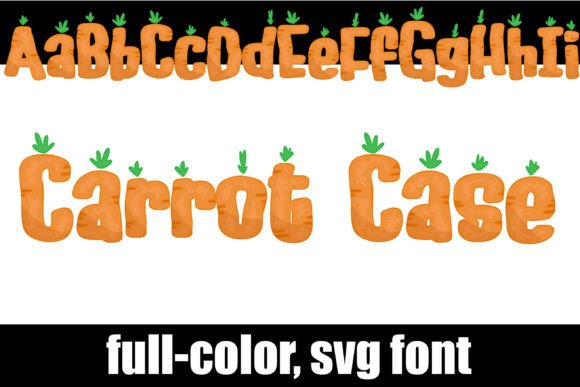
If you have ever scrolled past a design that felt lifeless or stuck in a monotone rut, you understand the need for a typeface that commands attention without screaming for it. Carrot Case is exactly that kind of solution. It is a creative font that brings a burst of vegetable-inspired vitality to the table. We are not talking about a standard, flat orange color here. This is a premium font designed as a color font, meaning the glyphs themselves carry complex shading, gradients, and depth right inside the vector data.
The visual personality of this typeface is undeniably playful. Each character mimics the rich, vibrant spectrum of a fresh carrot, moving from deep, earthy roots to bright, sun-kissed tips. But what really sets Carrot Case apart is the inclusion of those subtle, leafy green accents. It creates a multi-dimensional look that traditional monochrome fonts simply cannot achieve. For designers and marketers looking to inject a sense of whimsy and organic energy into their work, this font acts as a visual mood booster. It bridges the gap between illustration and typography, giving you a display font that feels hand-crafted and full of life.
The Power of Playful Typography in Brand Strategy
In the world of brand identity, color and shape do the heavy lifting before a single word is read. A modern typography choice like Carrot Case sends an immediate signal to your audience. It tells them that your brand is approachable, energetic, and perhaps a little bit cheeky. This is particularly valuable for entrepreneurs and small business owners trying to stand out in crowded markets like food blogging, wellness, organic products, or children’s education.
When you use a typeface with this much built-in character, you influence how your audience perceives your professionalism. While a sans serif font often signals corporate efficiency, and a serif font suggests tradition, a vibrant color font like this suggests creativity and confidence. It helps with brand recognition because the visual texture is so distinct. People remember the brand that looked like it was smiling at them.
Where to Deploy Carrot Case for Maximum Impact
Understanding the strengths of this typeface is key to using it effectively. Because it is a display font, it shines brightest when used for headlines, logos, and short bursts of text. It is not designed for long-form body copy, where the complex shading might tire the eyes. Instead, think of it as the seasoning in your design recipe.
Here are a few practical applications where Carrot Case excels:
- Logo Design: If you are launching a juice bar, a farm-to-table service, or a creative agency, this font can form the backbone of a memorable logo. It saves you the time of manually adding gradients to text.
- Social Media Graphics: On platforms like Instagram or TikTok, you have milliseconds to stop the scroll. The bright, multi-colored nature of Carrot Case acts as a visual magnet. It is perfect for quote cards, sale announcements, and profile headers.
- Packaging Design: For crafters and hobbyists creating stickers, labels, or greeting cards, the "ready-to-go" color aspect simplifies the production process. It adds a high-value look to handmade goods.
- Editorial Design: Publishers and bloggers can use this for chapter titles or pull quotes to break up the visual monotony of text-heavy pages. It pairs beautifully with clean, minimalist layouts.
Mastering Font Pairing and Readability
The true mark of an experienced designer is knowing how to balance a bold typeface with its supporting cast. Because Carrot Case is so expressive, it requires a grounding partner. If you pair it with another script font or a busy handwritten font, the result will likely be visual chaos. The viewer won't know where to look.
Instead, lean into contrast. A clean, geometric sans serif font is often the best companion. The neutrality of a font like Helvetica, Montserrat, or Open Sans allows the colorful personality of Carrot Case to pop without overwhelming the design. This contrast creates a clear visual hierarchy, guiding the reader's eye from the catchy headline down to the informative body text.
Technical Considerations and Licensing
Before you commit to this typeface for a major campaign, there are a few practical boxes to tick. First, always review the commercial font licensing. Ensure that the license covers your specific usage, whether that is for digital ads, physical merchandise, or web design. Most design assets come with specific terms regarding print runs or server usage, so do your due diligence.
Second, test the font at the sizes you intend to use it. Color fonts can sometimes behave differently than standard vectors when scaled down very small. Check the readability of the green accents against the orange base when the text is reduced. While it is a bold choice, you want to ensure it remains legible across different screens and paper stocks.
Finally, consider the context of your content. A font like Carrot Case is fantastic for a summer festival poster or a health food brand, but it might feel out of place on a serious financial report. Good design is about appropriateness. When the tone is right, this font doesn't just display words; it conveys an emotion. It turns a standard headline into a visual experience, helping your content connect with the audience on a more human, energetic level. By integrating Carrot Case thoughtfully, you move beyond standard templates and create designs that truly resonate.