Germany: A Color Font Inspired by National Identity
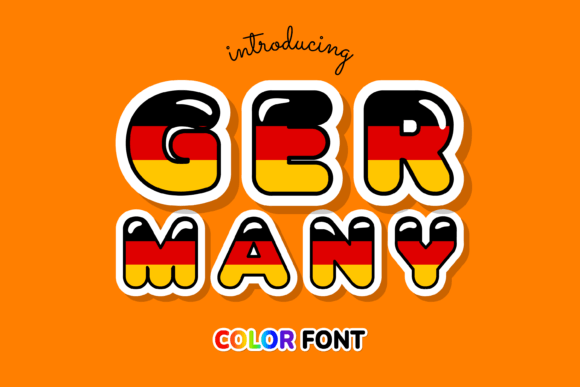
In the world of modern typography, few things capture attention quite like a font that tells a story through color. The Germany typeface is not just another set of characters; it is a bold statement piece designed in the visual style of the German flag. By utilizing advanced OpenType color font technology, Germany brings the iconic black, red, and gold tricolor directly into your typography. For designers, entrepreneurs, and creators looking for a premium font that breaks away from monochrome monotony, Germany offers a vibrant, patriotic, and incredibly cool aesthetic that can transform a standard project into a memorable piece of art.
Visual Style and Personality
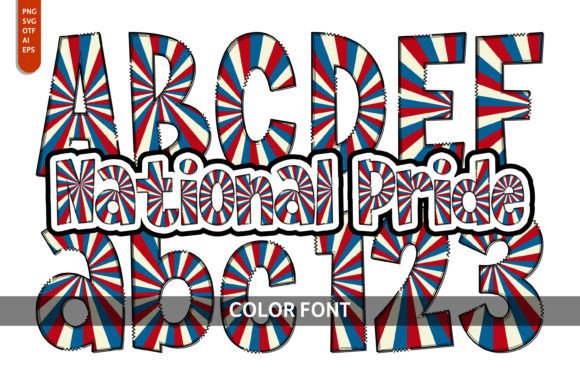
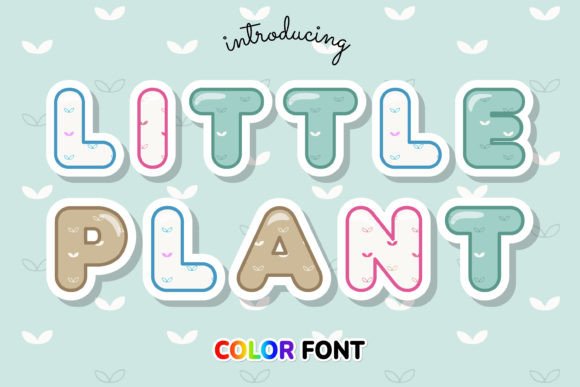
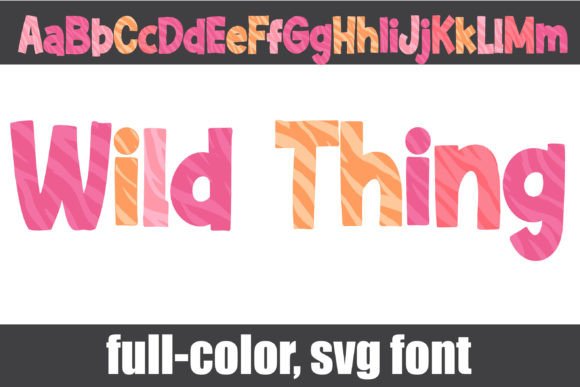
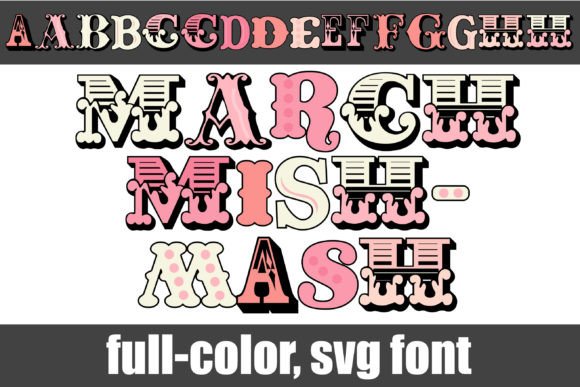
Unlike traditional sans serif font or serif font families that rely on weight and shape to convey tone, the Germany typeface uses color blocks as its primary design element. Visually, the letters are often constructed to feature the black, red, and gold stripes of the flag, either horizontally across the glyph or integrated into the geometry of the letterform itself. This creates a display font with high impact and distinct personality. It is a creative font that feels modern, structured, and energetic.
The appeal of this typeface lies in its ability to communicate national pride or a specific cultural connection instantly. It is a modern typography choice that doesn't require additional graphics to make its point. However, because of its strong visual weight and color complexity, it functions best as a headline or accent font. It is rarely suited for body text, where its decorative nature could hinder readability. Instead, think of Germany as the focal point of your layout—a design asset that draws the eye and sets the tone immediately.
Strategic Applications for Branding and Marketing
For brand identity professionals, the Germany font offers a unique tool for specific niches. If you are designing for a German restaurant, a European travel agency, a football fan club, or a business celebrating Oktoberfest, this font is a natural fit. In logo design, it can serve as a stylized wordmark that immediately signals the brand’s cultural roots. However, designers should be mindful of balance. Pairing the Germany font with a clean, neutral sans serif font for supporting text is crucial to prevent the design from becoming overwhelming.
In packaging design, this typeface shines when used on labels for specialty goods, craft beers, or imported products. It adds a layer of authenticity and visual interest that standard typography cannot match. Similarly, in editorial design and publishing, the font can be used for pull quotes, section headers, or magazine covers related to travel and culture. It injects personality into the page layout, breaking the grid with its colorful presence.
Digital Presence and Content Creation
The digital landscape is where color fonts truly thrive. For web design, the Germany font can be used for hero sections or call-to-action buttons to create a strong visual hierarchy. While browser support for color fonts has evolved, it is always wise to provide a fallback style for older systems. For social media graphics, this font is a powerhouse. In a crowded feed, the black, red, and gold text stands out against standard backgrounds, increasing engagement and stopping the scroll. Content creators and bloggers can use it to brand specific series, such as a "Travel Tuesday" featuring European destinations.
Small business owners and marketers can leverage this commercial font for event invitations, merchandise, and digital ads. If you are selling physical goods on platforms like Etsy, using the Germany font on mockups for t-shirts, mugs, or posters adds a professional and thematic touch that appeals to a specific audience. It bridges the gap between DIY crafts and professional design, allowing hobbyists to achieve a polished look without extensive design training.
Practical Guidance for Designers
When integrating the Germany font into your workflow, evaluating the project fit is the first step. Ask yourself if the theme aligns with the font's strong cultural connotations. If the project requires a subtle hint of German influence, this font might be too dominant. However, if the goal is celebration or bold statement-making, it is the perfect choice.
Testing font pairing is essential. Because Germany is a display font with high visual complexity, it pairs best with low-contrast, geometric sans serifs. Avoid pairing it with other decorative fonts, script font styles, or handwritten font families, as this will lead to visual clutter. You want the supporting text to fade into the background, allowing the headline to pop.
Additionally, always review the licensing. As a premium font, Germany typically comes with specific terms regarding commercial use. Ensure you understand the rights for web design (often measured by pageviews) versus print usage. Check if the font includes different styles or weights. Some versions of color fonts include a monochrome fallback version, which is useful for black-and-white printing or specific readability requirements.
Finally, consider the technical aspects of modern typography. Ensure your software supports COLR/CPAL or SVG-in-OpenType tables to render the colors correctly. By treating the Germany font as a specialized tool rather than a general-purpose typeface, you can harness its full potential to create designs that are not only visually striking but also culturally resonant and engaging.