Little Plant: A Leafy Color Font for Nature-Inspired Design
More Than Just Letters: What Makes Little Plant Unique
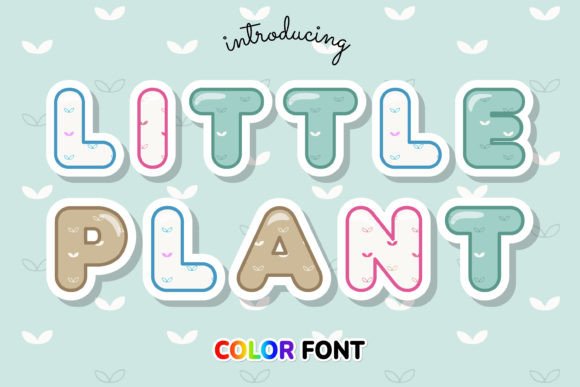
When you first see Little Plant, it’s clear this isn’t your standard typeface. It’s a color font, specifically an OpenType-SVG file, which means the leafy, botanical pattern is embedded directly into the glyphs. Instead of a flat, single-color letter, each character in the Little Plant font appears as a miniature illustration filled with a leaf pattern. The visual effect is rich, textured, and immediately evokes a sense of organic growth and natural elegance. This premium font bridges the gap between typography and illustration, offering designers a creative font asset that adds depth and personality with a single keystroke.
The style leans heavily into a modern botanical aesthetic. It’s not a traditional serif font or sans serif font; its character comes from the intricate, layered foliage that forms each letter. Think of it as a handwritten font cousin that traded a pen for a cluster of leaves. The overall feel is fresh, lively, and somewhat whimsical, yet it maintains a clean structure that keeps it highly usable. It’s a display font at its core, designed to capture attention and set a specific mood rather than to be used for long blocks of body text. For anyone working on projects that need a touch of nature, vitality, or artisanal quality, Little Plant offers a distinct and ready-made solution.
Where to Use a Botanical Display Font Like This
The applications for a creative font like Little Plant are surprisingly broad, especially for designers and creators who work across multiple mediums. Its inherent personality makes it a standout choice for specific project types where visual impact is key.
- Branding and Logo Design: For businesses in the wellness, organic food, skincare, floristry, or sustainable goods sectors, Little Plant can be a cornerstone of a brand identity. It instantly communicates values of growth, health, and natural origins. Imagine it on a logo for a boutique tea brand or the masthead of a gardening blog.
- Packaging Design: This is where the font truly shines. On product labels for artisanal foods, herbal teas, or botanical candles, the leafy texture adds a tactile, premium quality that flat printing cannot achieve. It helps products stand out on a crowded shelf by telling a visual story before a single word of copy is read.
- Digital and Social Media Graphics: In the fast-scrolling world of social media, stopping power is everything. Little Plant can make Instagram stories, Pinterest pins, and Facebook headers pop with color and texture. It’s perfect for creating engaging title cards for a YouTube series on gardening or stylish quote graphics for a lifestyle coach.
- Editorial and Web Design: While not for body text, it works beautifully for pull quotes, chapter titles in a digital magazine, or featured headers on a website. It can guide the reader’s eye and reinforce a publication’s theme, whether it’s about travel, food, or interior design with a natural focus.
- Digital and Print Crafts: For hobbyists and creators using platforms like Silhouette, this font is a fantastic asset for creating custom decals, wedding invitations, greeting cards, and scrapbook elements. It brings a professional, illustrative quality to DIY projects.
Making It Work: Practical Guidance for Designers and Creators
Adopting a color font like Little Plant requires a slightly different approach than using standard typefaces. Here’s some practical advice to integrate it effectively into your workflow.
Compatibility is Key
First, understand the technology. Little Plant is an OpenType-SVG font. This means it’s compatible with modern versions of PhotoShop, Illustrator, Silhouette, and Inkscape. However, the OTF/TTF files are not compatible with Cricut machines. This is a critical consideration for crafters. Always check your software’s support for color fonts before purchasing. For a deeper dive, reviewing a guide on using such fonts can save time and frustration.
Evaluating Project Fit and Readability
Because of its intricate detail, Little Plant is a display font. It’s perfect for headlines, logos, and short phrases. Using it for a 12-point paragraph would sacrifice readability and overwhelm the eye. The font’s strength is in its visual hierarchy—use it to command attention for key titles, then pair it with a clean, simple serif font or sans serif font for supporting text. This contrast ensures your design is both beautiful and functional.
Font Pairing and Hierarchy
Creating a successful font pairing with Little Plant is about balance. Let the leafy typeface be the star. Pair it with a neutral, highly legible companion. A geometric sans serif like Montserrat or a classic serif like Lora can provide a stable foundation. This allows the personality of Little Plant to shine without creating visual chaos. The goal is to build a clear visual hierarchy where the display font grabs interest and the body font delivers the information effortlessly.
Leveraging Its Strengths in Brand Perception
Using a distinctive commercial font like this consistently across touchpoints—from your social media graphics to your packaging design—builds recognition. The unique botanical texture becomes synonymous with your brand’s voice. It signals a commitment to detail and an appreciation for nature-driven aesthetics, which can profoundly influence audience engagement. Customers begin to associate that visual language with your values, fostering a stronger connection.
In the end, Little Plant is more than just a set of letters; it’s a versatile design asset. It’s a tool for injecting life, texture, and a specific narrative into your projects. By understanding its strengths as a color font and applying it thoughtfully within its ideal contexts, you can elevate your work from simply being seen to being remembered. It’s a perfect example of how modern typeface design can expand a creator’s toolkit in exciting, practical ways.