Unraveling the Cobweb Font: A Designer's Guide to Playful Typography
In the world of design, typography is more than just letters on a page; it's a voice. The right typeface can set a mood, tell a story, and connect with an audience on an emotional level. When a project calls for a sense of whimsy, creativity, and artistic flair, a standard corporate font simply won't do. This is where a creative font like Cobweb enters the scene, offering a distinct personality that can transform a design from ordinary to unforgettable. Let's explore what makes this display font a valuable asset for a wide range of creative professionals.
More Than Just a Font: The Personality of Cobweb
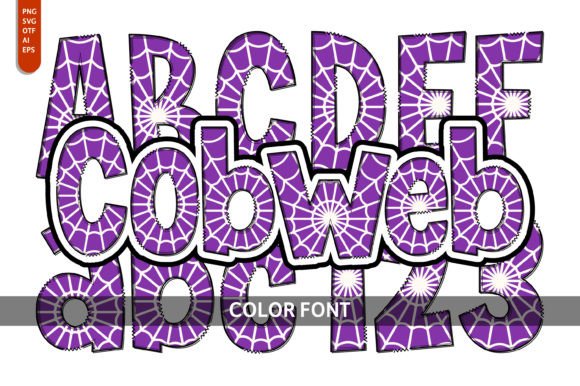
At its core, Cobweb is a premium font designed to capture attention and evoke a specific feeling. Its visual characteristics are defined by a flowing, often irregular baseline and letterforms that feel hand-drawn. This isn't a rigid, geometric sans serif font or a traditional, formal serif font. Instead, it embraces the imperfections and fluidity of a handwritten font or script font, giving it an organic and approachable quality. The overall appeal lies in its ability to feel both artistic and accessible. It avoids the overly formal look of traditional calligraphy while steering clear of the casualness of a simple handwriting style, landing in a perfect middle ground for projects that need a touch of creative energy.
Where Cobweb Shines: Ideal Applications and Projects
The true strength of a typeface is revealed in its application. Cobweb’s playful and artistic style makes it an exceptionally versatile tool for specific types of projects where personality is paramount. It’s a font that doesn’t just display text; it communicates an idea.
- Branding and Identity: For small business owners and entrepreneurs building a brand identity, Cobweb can be a game-changer. It's an excellent choice for logos, business cards, and brand collateral for businesses that want to project a creative, friendly, and approachable image. Think of a local bakery, a handmade craft shop, a boutique children's clothing line, or a creative consultant. The font immediately signals that the brand is imaginative and customer-focused.
- Publishing and Editorial Design: In the world of publishing, Cobweb is a natural fit for children’s books, young adult novels, and magazine cover lines. Its whimsical nature captures the imagination of young readers, while its unique style can make a book cover stand out on a crowded shelf. For publishers and bloggers, it works beautifully for article titles, pull quotes, or chapter headings in editorial design, adding a layer of visual interest that draws readers in.
- Marketing and Digital Content: Marketers and content creators can leverage Cobweb to create engaging social media graphics, digital invitations, and online advertisements. Its distinctive look helps posts pop in a fast-scrolling feed. For greeting cards, party invitations, and event posters, the font sets a celebratory and personal tone that a standard font cannot replicate. It makes digital content feel more human and less corporate.
- Packaging and Physical Products: On product packaging, a creative font like Cobweb can communicate the care and artistry behind a product. It’s ideal for artisanal goods, specialty food items, or craft supplies. It tells the customer that what’s inside is special, made with a personal touch.
The Strategic Impact: How Cobweb Influences Perception and Engagement
Choosing a font is a strategic decision that influences how an audience perceives a brand or message. When you choose Cobweb, you are making a deliberate choice to prioritize a certain kind of connection. Its use can directly affect several key aspects of a design's effectiveness.
First, it establishes visual hierarchy. A display font like Cobweb is not intended for body copy. Its strength lies in headlines, titles, and call-outs. Using it for these elements creates a clear distinction between primary information and supporting text, guiding the reader's eye exactly where you want it to go. This improves readability and comprehension by preventing visual monotony.
Second, it shapes brand perception. Consistency in typography is a cornerstone of a strong brand identity. By incorporating Cobweb into a brand's design assets, a business can consistently reinforce its personality as creative, playful, and artistic. This builds recognition and helps a brand stand out in a competitive market. Customers will begin to associate that unique typographic style with the brand's values and offerings.
Finally, it boosts audience engagement. A unique and well-chosen font piques curiosity. People are more likely to stop and read a poster with an intriguing typeface or engage with a social media post that feels visually distinct. Cobweb’s artistic flair can make marketing materials feel less like an advertisement and more like a piece of art, fostering a more positive and memorable interaction with the audience.
A Practical Guide to Using Cobweb in Your Workflow
Integrating a new font into your design toolkit requires a bit of practical knowledge. Here’s how you can effectively choose, pair, and use Cobweb to ensure your projects are both beautiful and professional.
- Evaluate the Project Fit: Before you start, consider the project's goals. Is the tone serious and formal, or is it friendly and creative? Cobweb excels in the latter. It would be a mismatch for a corporate financial report but a perfect fit for a yoga studio's new class schedule. Always align the font's personality with the project's message.
- Master the Art of Font Pairing: A display font rarely works alone. The key to a professional design is pairing it with a complementary font. For Cobweb, a clean and simple sans serif font or a classic serif font works best for body text. The contrast creates balance, allowing Cobweb’s personality to shine in the headlines without overwhelming the reader. Avoid pairing it with another script or ornate font, as this will create visual clutter.
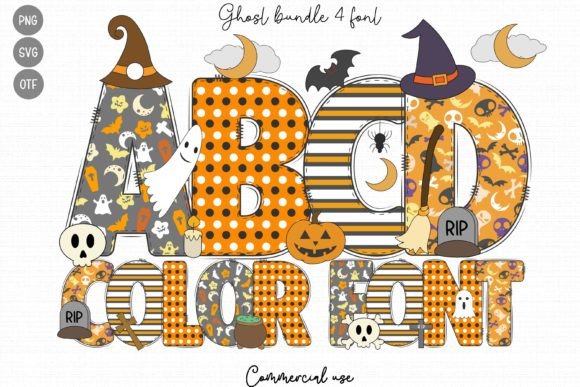
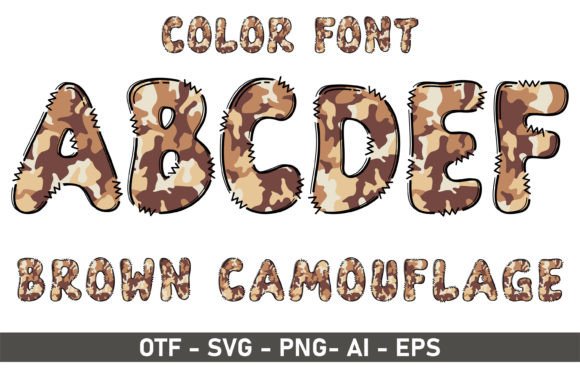
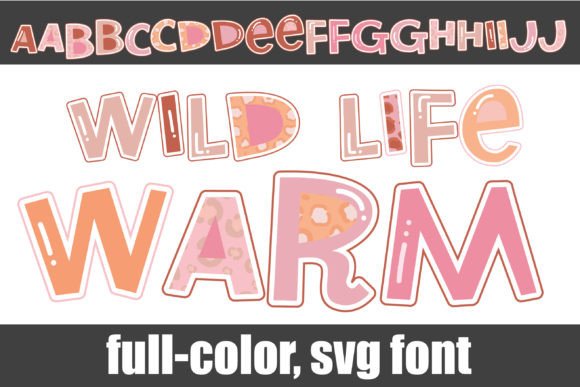
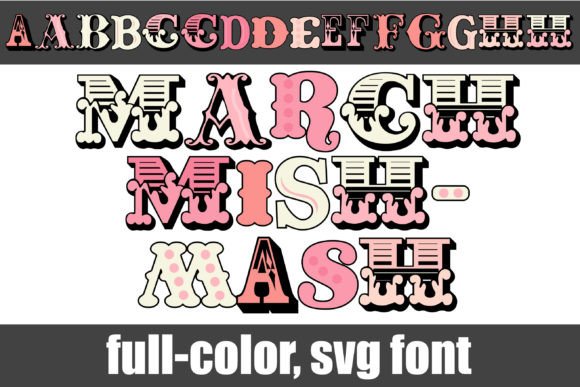
- Understand the Font Files: This is a critical technical step. Cobweb is a color font (Opentype-SVG). This means it's not just a single-color vector; it can contain rich, multi-color information within the font file itself, much like a small image. This is what gives it its unique, artistic quality. It is compatible with professional design software like PhotoShop, Illustrator, and Inkscape. However, it is not compatible with Cricut or similar cutting machines that require simple vector outlines (OTF/TTF). Always check compatibility before purchasing for specific hardware or software.
- Consider Readability and Licensing: While Cobweb is designed for display, always test its readability at the intended size. A font that looks beautiful on a large poster might be illegible on a small mobile screen. For digital use, ensure it renders clearly. Furthermore, for any commercial project—whether it’s a client logo, product packaging, or marketing materials—you must have the appropriate commercial license. This protects both you and the font designer and is a mark of a professional creative.
Ultimately, Cobweb is more than just a set of letters; it's a powerful design asset. It provides a straightforward way to inject personality, warmth, and creativity into a project. By understanding its strengths and applying it thoughtfully, designers, marketers, and creators can use this modern typography to build stronger brands and create more engaging content that truly resonates with their audience.